
devops integration

How Automation Improves Software Development Efficiency

DevOps & Automation

How Automation Improves Software Development Efficiency

Discover how automation transforms modern engineering teams by reducing errors, accelerating delivery, and strengthening DevOps workflows.

In today's fast-moving tech world, software teams are under constant pressure to deliver faster - without compromising quality. Customers expect quick updates. Businesses demand innovation. And competition never slows down.

But here's the reality: manual processes slow teams down. They introduce errors, create bottlenecks, and make scaling difficult.

That's where automation becomes a game changer.

What Is Automation in Software Development?

Automation in software development means using tools, scripts, and technologies to handle repetitive tasks with minimal human intervention.

Instead of manually building, testing, configuring, and deploying applications, automation ensures these processes happen consistently and reliably - every single time.

Common areas where automation is used:

Code integration
Testing
Deployment
Infrastructure provisioning
Monitoring
Security checks
The result? Faster execution, fewer mistakes, and smoother workflows across the entire software lifecycle.

Key Ways Automation Improves Development Efficiency
1 Faster Code Integration with CI/CD

Continuous Integration (CI) automatically merges code changes into a shared repository. Continuous Deployment (CD) automates the release process.

Together, CI/CD pipelines:

  • Provide faster feedback loops
  • Detect bugs early
  • Reduce integration conflicts
  • Speed up time-to-market

Instead of waiting days (or weeks) to release updates, teams can ship changes continuously — with confidence.

2 Reduced Human Errors

Manual configurations and deployments are prone to mistakes. Even small errors can cause major production failures.

Standardized configurations
Consistent build environments
Repeatable deployment processes

This significantly reduces production issues, improves reliability, and minimizes downtime.

3 Improved Testing Efficiency

Testing is critical - but manual testing consumes time and resources.

Automated testing allows teams to:

Run regression tests instantly
Identify defects early
Maintain consistent code quality
Test across multiple environments
Instead of spending hours validating changes manually, developers get results in minutes. This dramatically speeds up development cycles.

4 Faster Deployment Cycles

With automated deployment workflows, teams can:

  • Release features more frequently
  • Roll back updates quickly
  • Maintain continuous delivery

Automation ensures deployments are predictable and stable.

5 Better Resource Utilization

When developers are not stuck doing repetitive tasks, they can focus on high-value work like:

  • Improving system architecture
  • Optimizing performance
  • Building innovative features
  • Strengthening security
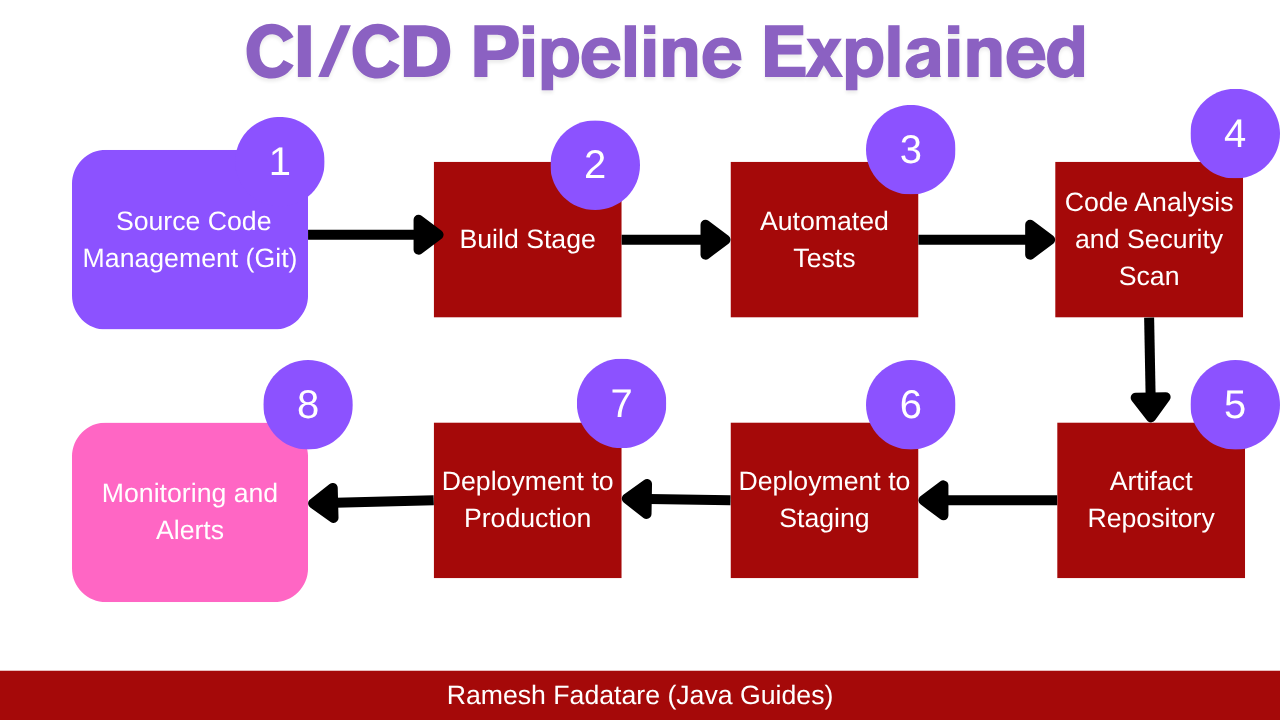
CI/CD Pipeline Automation Workflow

CI/CD Pipeline Automation Workflow

Automation + DevOps: A Powerful Combination

Automation is at the heart of DevOps practices. DevOps automation bridges the gap between development and operations by automating integration, testing, deployment, and monitoring.

Benefits include:

Faster release cycles
Continuous monitoring
Automated security validation
Scalable cloud deployments

Organizations adopting DevOps automation often see measurable improvements in deployment frequency, recovery time, and system stability.

Real-World Impact of Automation

Companies that implement automation in their development lifecycle often report:

Impact Area Benefit
Deployment Time Reduced deployment time
Quality Assurance Lower defect rates
Team Productivity Increased developer productivity
Release Velocity Faster product releases
Customer Experience Higher customer satisfaction
In modern software-driven markets, automation is no longer a luxury — it's a competitive advantage.

Challenges of Implementing Automation

While the benefits are clear, automation adoption isn't always simple.

Common challenges include:

Initial setup complexity
Tool integration issues
Skill gaps in DevOps practices
Cultural resistance to change

However, with structured planning and experienced professionals, these challenges can be effectively managed.

Why Automation Is Critical for Modern Development Teams

In a competitive market, slow release cycles and unstable deployments can damage business growth.

Automation ensures:

Scalability
Consistency
Reliability
Speed
Operational efficiency

Teams that delay automation risk falling behind competitors who ship faster and more reliably.

The Role of Skilled DevOps Engineers

Successful automation requires more than just tools. It requires expertise.

Effective implementation demands:

Strong CI/CD pipeline design
Cloud infrastructure knowledge
Security best practices
Monitoring and observability setup

Experienced DevOps engineers can design optimized automation frameworks that dramatically improve development speed and reliability.

For organizations looking to scale efficiently, investing in skilled professionals makes all the difference.

Frequently Asked Questions (FAQs)

What is automation in software development?

It refers to using tools and scripts to perform repetitive tasks like testing, integration, and deployment without manual effort.

How does automation improve efficiency?

It reduces errors, accelerates testing and deployment, improves collaboration, and allows developers to focus on strategic work.

Is CI/CD part of automation?

Yes. CI/CD automation is a core component that enables continuous integration, testing, and deployment.

What tools are commonly used?

Popular tools include:

Jenkins GitHub Actions GitLab CI Docker Kubernetes Terraform Selenium Ansible

Ready to Transform Your Development Workflow?

Embrace automation today and join the ranks of high-performing engineering teams shipping faster, safer, and smarter.

Start Your Automation Journey

Leave A Comment

Job Application Form